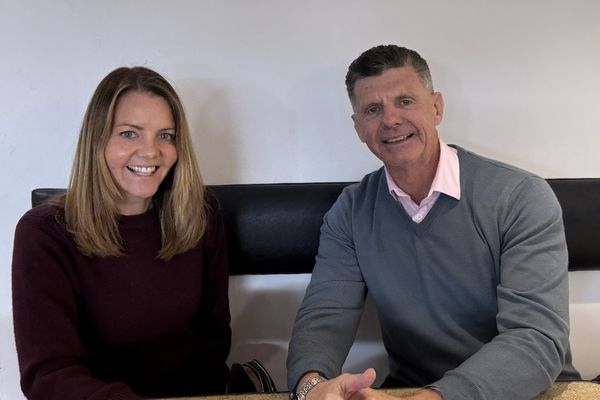
Insights from philanthropy leader, David Stewart
Major donor fundraising has changed. While generosity remains strong, today’s donors are more discerning, better informed and looking for something deeper than a compelling case for support.
According to respected philanthropy leader David Stewart, the biggest shift isn’t in donor capacity, it’s in donor expectations.
“Donors aren’t just giving to a cause,” he says. “They’re backing trust, leadership and evidence.”
Today’s major donors want confidence that an organisation has the leadership, governance and vision to deliver meaningful impact. They want honest conversations, not polished promises, and they increasingly see themselves as partners in creating change.
Trust Starts at the Top
One of David’s strongest messages is that major gift fundraising is not the responsibility of the fundraising team alone.
“The CEO is the chief carrier of vision, trust and urgency,” he says. “The board signals credibility, opens networks and models generosity.”
While fundraisers play a critical role in building relationships, transformational gifts often depend on donors engaging directly with organisational leaders.
“The CEO can’t delegate the most important philanthropic moments.”
Organisations that consistently attract major gifts share common traits: clear purpose, transparent governance, disciplined communication and leadership that inspires confidence.
The Biggest Challenge? Organisational Readiness
David believes the sector’s greatest challenge isn’t a lack of generous donors; it’s whether organisations are ready for transformational philanthropy.
Too often, fundraisers are expected to secure significant gifts without aligned leadership, board engagement or a strong internal culture of philanthropy.
“If fundraising is treated as a side function, donors feel it,” he says. “If philanthropy is embedded in the culture, donors feel that too.”
Successful fundraising is a whole-of-organisation effort.
Relationships Over Transactions
While new generations of wealth holders and family foundations continue to reshape philanthropy, David believes one principle hasn’t changed.
“Major donors are values-led.”
People give because they see their own values reflected in an organisation’s mission and leadership.
“Money follows emotion,” David says, “but it’s confirmed by logic.”
The strongest donor relationships are built through authenticity, trust and consistent stewardship, not simply asking for support.
Technology Can’t Replace Human Connection
Artificial intelligence is already helping fundraisers with research, planning and administration, but David is clear about its limitations.
“AI will make administration faster. But it won’t replace trust.”
The future belongs to fundraisers who use technology to spend more time building meaningful relationships, not less.
His advice is simple: meet donors face-to-face whenever possible.
“It shows commitment.”
A Profession Built on Hope
For those entering philanthropy, David’s advice is refreshingly human.
“Don’t chase money; build trust.”
”Learn to listen, understand how organisations operate, stay curious and remember that every donor is a person looking for meaning, belonging and impact.”
Despite growing expectations, David remains optimistic about the future.
“There is enormous generosity in our community,” he says. “At its best, philanthropy is an act of hope, faith and trust.”
His final message to leaders across the sector is one that resonates well beyond fundraising:
“A calm, considered, commercial and humble approach to your relationships. All we are is a conduit. Be comfortable doing your role without accolade.”
Continue the Conversation
Building a successful philanthropy programme starts with the right people.
Whether you’re looking to recruit experienced fundraising professionals, strengthen your leadership team or explore your next opportunity in the sector, Christina and the team at Cause Recruitment would love to help.
Call us on 0448 519 121 or click here to learn more.